
Our Impact
Impact we can stand behind
Figures, methods and stories from the hills, shared only when they can be supported.
Headline figures
Values below are managed in one place and flagged until verified.
60,000+
Native plants
550+
Species
31
Water-storage tanks
40+
Earthen bunds
Our impact
Plantation impact
Native plants established on the hills, and how we track them.
60,000+
Native plants
550+
Species
- Plant native speciesLocally suited trees, shrubs and grasses.
- Protect and waterYoung plants are cared for through their first seasons.
- Record and replaceLosses are noted and replaced where appropriate.
What we do
Plantation aims to restore native cover, support wildlife and stabilise soil. Success is judged by how many plants survive and thrive, not by how many are planted. Young plants are protected, watered and checked through their first seasons.
How we track it
Species lists, planting locations and survival rates are compiled from field records. Survival rates are never shown unless they have been measured. Losses are recorded and replaced where appropriate.
Detailed species lists, planting locations and survival rates will be published here once they have been compiled from field records.
Plantation photographs
Loading…
Our impact
Water conservation impact
Structures that slow water and keep it on the land.
31
Water-storage tanks
40+
Earthen bunds
- Tanks and bundsBuilt and kept working on the hill slopes.
- Inspect after the monsoonStructures are checked and desilted.
- Volunteer upkeepClearing and repair with guidance.
What we do
Tanks and bunds slow runoff, reduce erosion and keep moisture available for plants and wildlife. Structures are inspected and desilted after the monsoon, and volunteers help with inspection, clearing and repair under guidance.
How we track it
Structures are counted and checked after each monsoon. We do not estimate groundwater recharge or water retention without credible measurement.
Documented water-related results will be published here when they are available.
Our impact
Biodiversity impact
Bringing back the plants, birds, butterflies and insects that belong here.
550+
Species
- Rebuild habitat layersCanopy, shrubs and grasses.
- Conserve local seedNative seed adapted to the hills.
- Keep water availableMoisture for plants and wildlife.
What we do
Restoring biodiversity means rebuilding layers of habitat (canopy, shrubs, grasses), keeping water available, and conserving locally adapted seed.
How we track it
Species observed on site, and the methods used to record them, are compiled and verified before they are published. We do not list species that have not been documented.
A documented list of flora and fauna will be published here after it has been compiled and verified.
Biodiversity gallery
Loading…
Our impact
Community participation
Our work is carried out by volunteers and supporters from the neighbourhood and beyond. The examples below are documented in public sources or by the organisation; participant counts are added only when they can be verified from attendance records.
Daily volunteer work
Members give about two hours a day to caring for the hill.
Children's drawing competition
About 850 students from about 20 schools took part on 17 December 2023 (source: Punekar News).
Blood donation camps
Community camps organised as part of our social-welfare activities. Participation figures will be added from records.
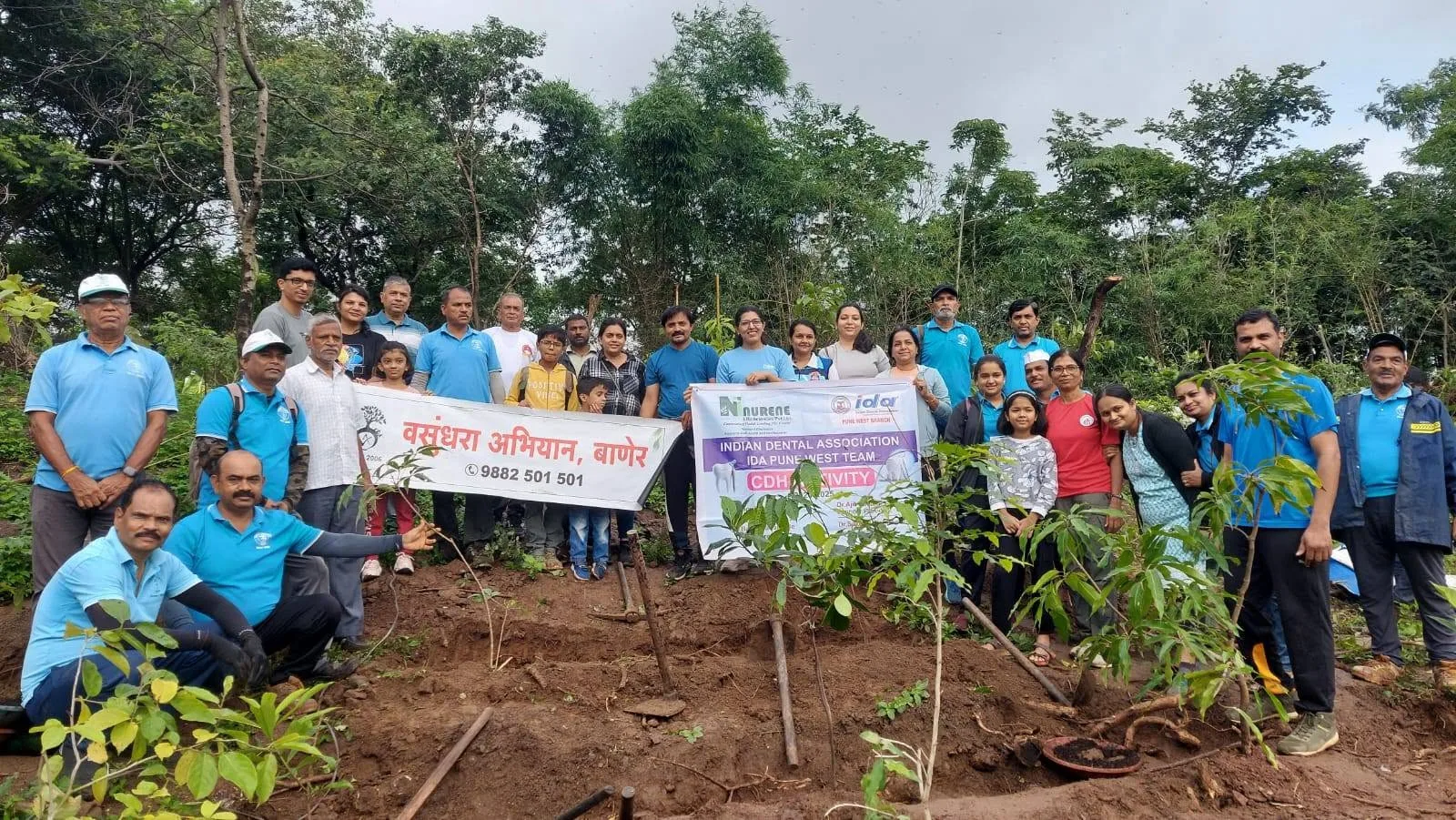
Plantation drives and hill clean-ups
Residents, families, students, schools and colleges are welcome to join.
We do not publish estimated participation figures. Counts of volunteers and participants will be added here once they are verified from attendance records.
Our impact
Monitoring methodology
Monitoring means keeping records. This is what we record, and how we decide what to report.
Step 1: Record what is planted
What was planted, in which season and where, so every batch can be followed over time.
Step 2: Check survival
Plants are checked through their first seasons. Losses are recorded and replaced where appropriate; survival rates are reported only when they have been measured.
Step 3: Inspect water structures
Tanks and bunds are inspected and desilted after the monsoon, and their condition is noted.
Step 4: Document species
Species observed on site are recorded together with the method used. Species that have not been documented are not listed.
Step 5: Count participation
Volunteer and participant numbers come from attendance records, never from estimates.
Step 6: Verify, date and source
Figures are published only after verification, with the date or period and the source, so older figures are never mistaken for current totals.
Methods and results are documented in our reports as they become available. Expected outcomes in proposals are always shown separately from results that have actually been achieved.
Recognition
Awards & Recognition
Recognition received by Vasundhara Abhiyan for its work on Baner Hill, Pune.
- Third place
Chhatrapati Shivaji Maharaj Vanashree Award
Government of Maharashtra (state level) · March 2023
Vasundhara Abhiyan was placed third in the state-level Vanashree Award for its work on Baner Hill, Pune.
Source: MyPunePulse, 28 March 2023
Documents
Reports
Annual reports, project reports, impact assessments and approved governance documents.
No reports are published yet.
Annual reports, project reports, impact assessments and governance documents will be listed here once they are approved for publication.
Come and spend a morning with the hills
Volunteers, schools, colleges and organisations are welcome. Find an activity that suits you.