
Transforming Baner Hill: A Community-Led Journey Towards Biodiversity Restoration
By Vasundhara Abhiyan Published Updated 3 min read
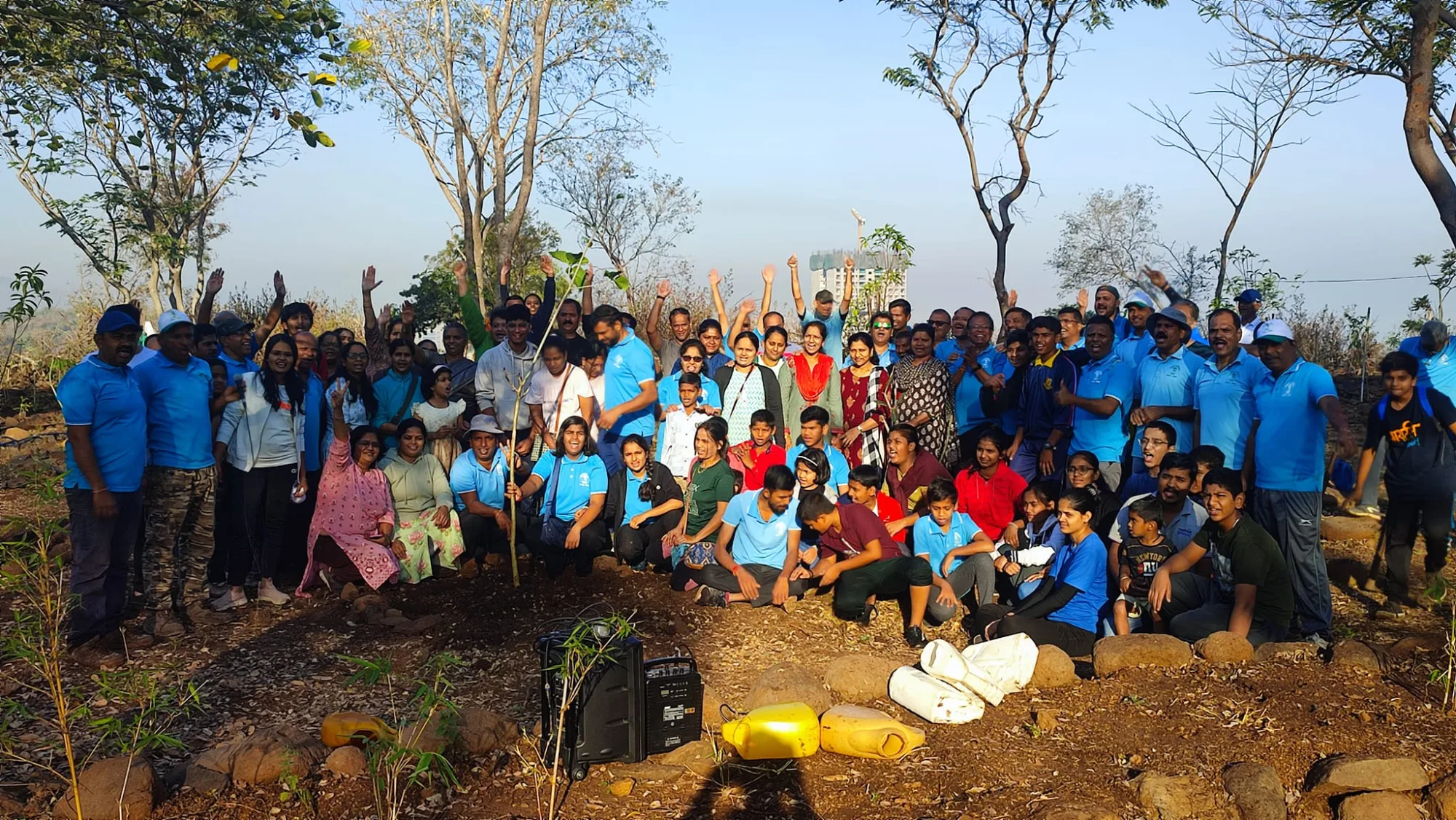
Nestled in the heart of Pune, Baner Hill (Tukai Tekdi) stands as a remarkable example of how dedicated citizens can restore nature through collective action. What was once a barren and degraded landscape has gradually evolved into a thriving ecosystem, thanks to the relentless efforts of volunteers associated with Vasundhara Abhiyan.
Since 2006, Vasundhara Abhiyan has been working towards environmental conservation, biodiversity restoration, soil and water conservation, and native tree plantation on Baner Hill. Over the years, thousands of indigenous trees have been planted and nurtured, transforming the hill into an ecological asset for Pune.
More Than Just Tree Plantation
Tree plantation is often viewed as a one-day activity, but true environmental restoration requires years of commitment. At Vasundhara Abhiyan, every sapling receives continuous care through regular watering, mulching, protection from grazing, and monitoring throughout its growth cycle.
The volunteers focus on planting native species that naturally belong to the local ecosystem. These trees provide food and shelter for birds, butterflies, insects, and other wildlife while improving soil quality and groundwater recharge.
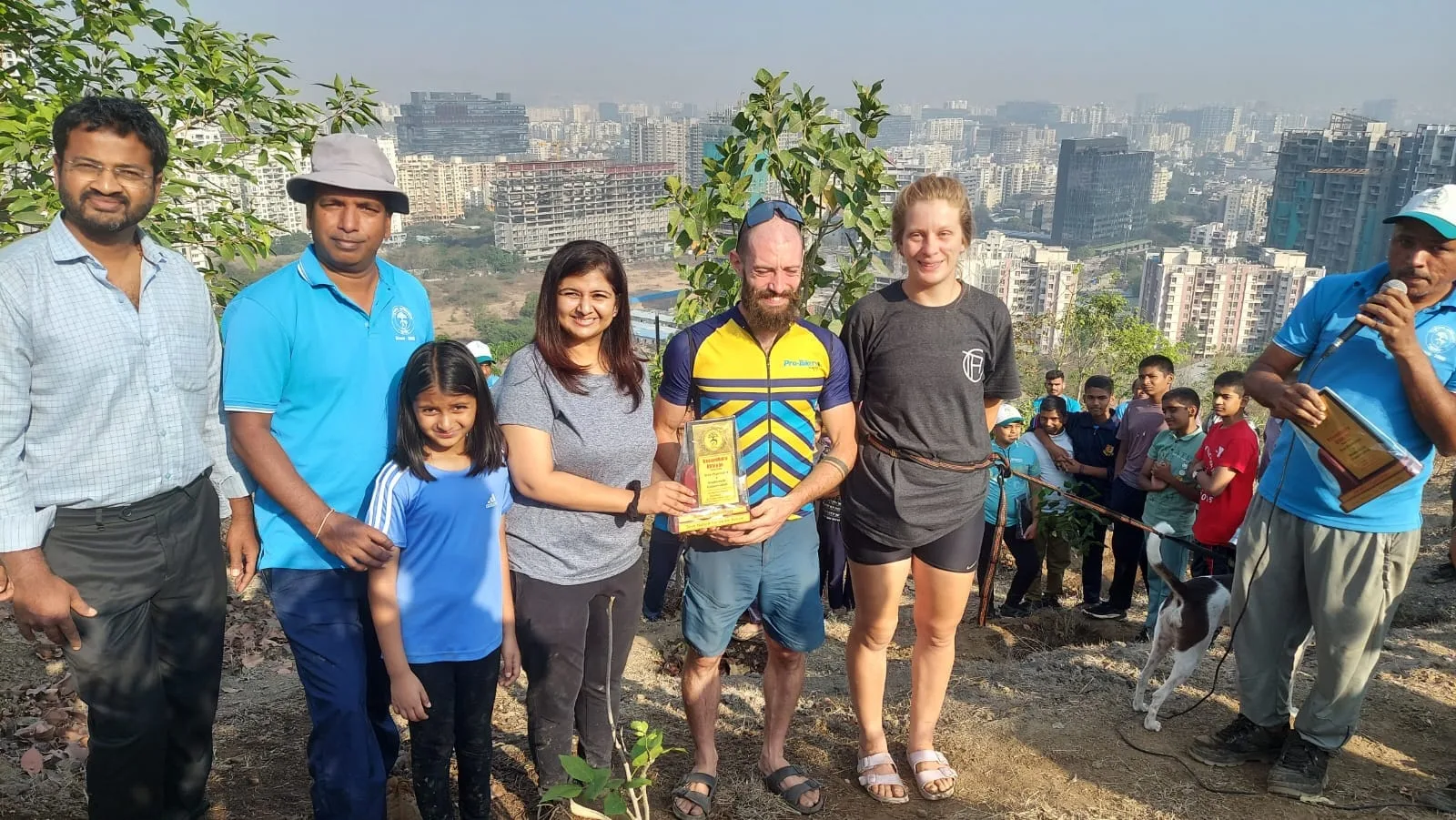
Restoring Biodiversity, One Tree at a Time
The increase in native vegetation has helped attract a variety of birds, pollinators, and small wildlife species back to the hill. The restoration efforts have contributed significantly to enhancing the ecological balance of the region and creating a healthier urban environment for future generations.
Water Conservation: The Foundation of Survival
One of the biggest challenges on rocky hill terrain is ensuring adequate water availability for young saplings. Volunteers regularly construct and maintain water conservation structures such as Continuous Contour Trenches (CCTs), bunds, and water storage systems that help capture rainwater and reduce soil erosion.
These efforts ensure that rainwater is retained within the ecosystem, improving groundwater recharge and increasing the survival rate of planted trees.
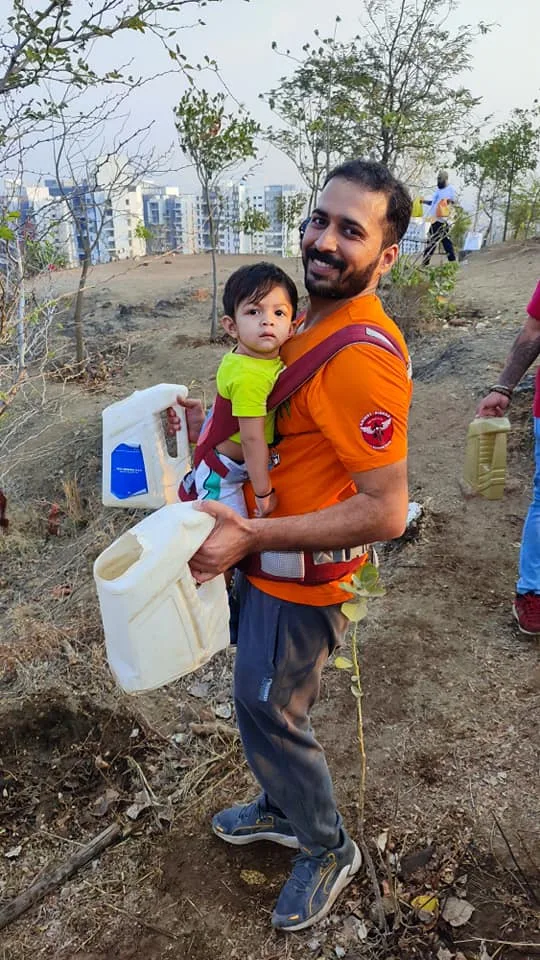
Daily Volunteer Efforts Make the Difference
Every morning, dedicated volunteers gather on Baner Hill to participate in activities such as:
- Planting native trees
- Watering saplings
- Mulching and soil conservation
- Maintenance of water harvesting structures
- Biodiversity monitoring
- Removal of invasive species
- Protection and care of existing plantations
These small but consistent actions have collectively created a lasting environmental impact.
Building a Sustainable Future
Urbanization continues to put immense pressure on natural ecosystems. Initiatives like Vasundhara Abhiyan demonstrate that community participation can successfully restore degraded landscapes while promoting biodiversity, climate resilience, and environmental awareness.
The green cover created today will provide cleaner air, cooler temperatures, improved water retention, and habitat for wildlife for decades to come. Every planted tree represents hope, and every volunteer represents a commitment to a sustainable future.

Join the Movement
Environmental conservation is not the responsibility of a few—it is a shared responsibility of all citizens. Whether you can contribute your time, skills, or resources, your participation can help create greener, healthier, and more biodiverse cities.
Together, we can ensure that Baner Hill continues to thrive as a living example of community-driven environmental restoration.
Plant a Tree. Protect Biodiversity. Build a Sustainable Future.