
Restoring Biodiversity on Baner Hill Through Native Tree Plantation
By Vasundhara Abhiyan Published Updated 4 min read
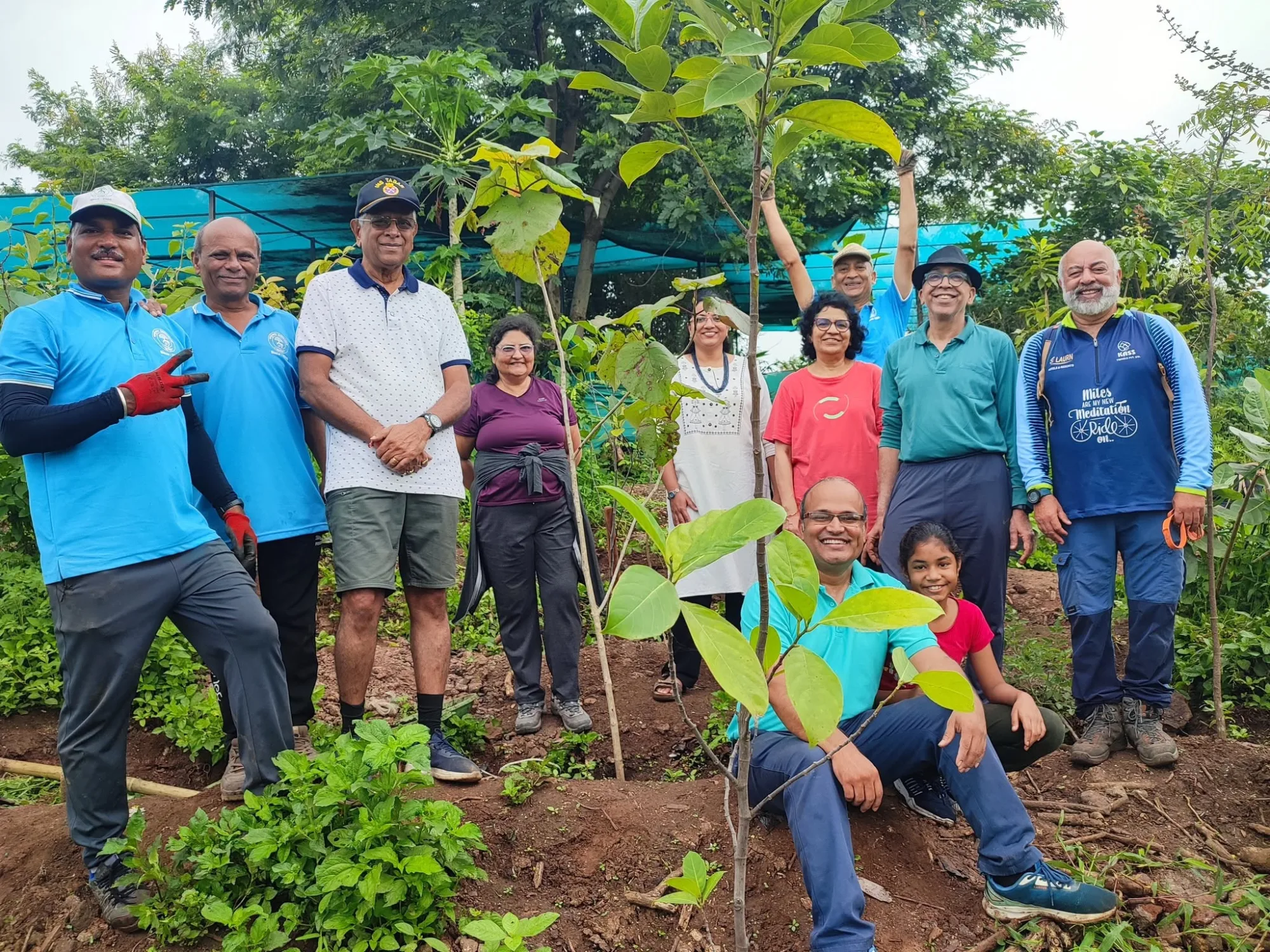
Baner Hill – A Green Lifeline for Pune
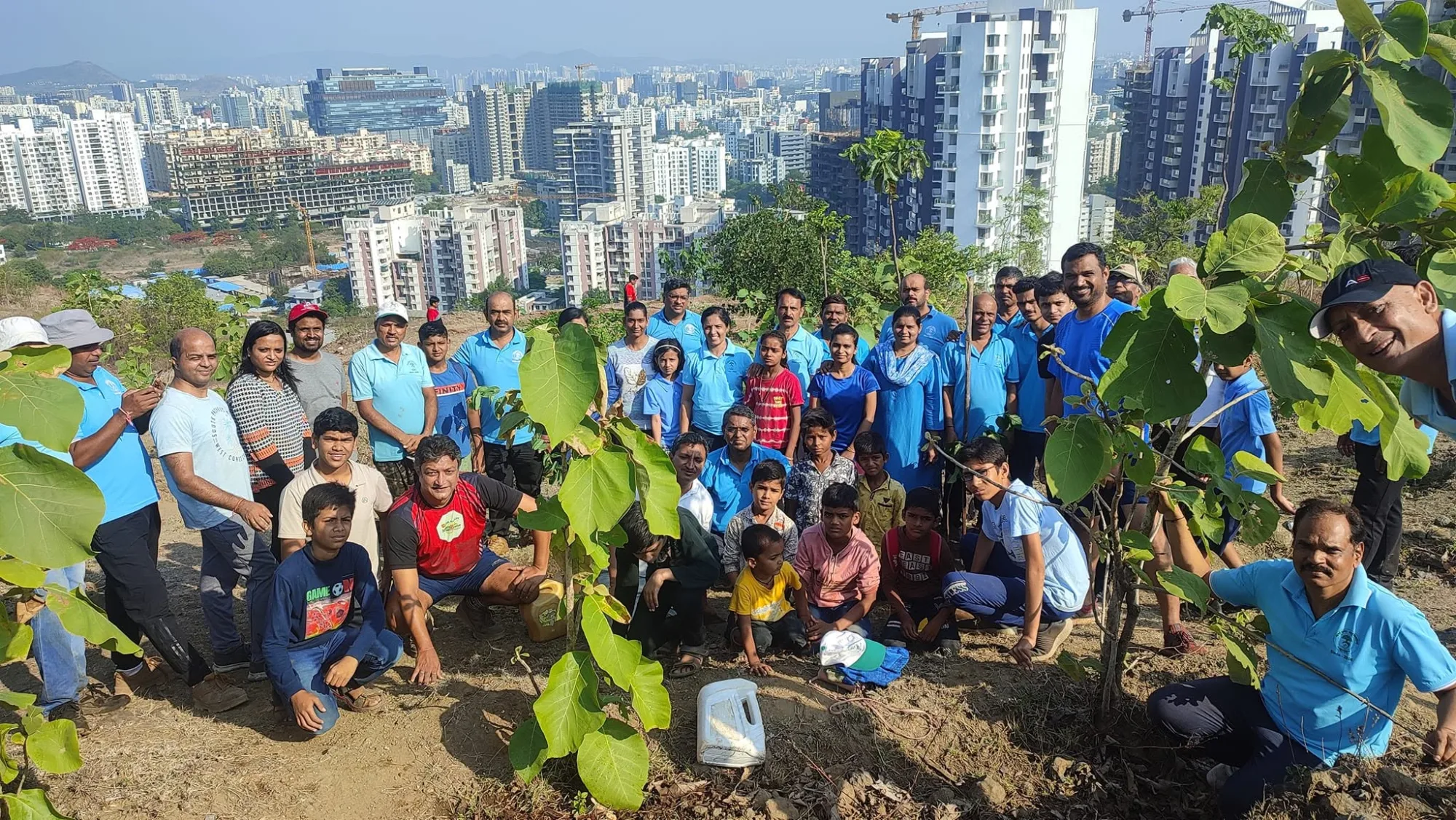
Nestled in the western part of Pune, Baner Hill has become one of the city’s most important ecological landscapes. Once affected by rapid urbanization, soil erosion, and loss of native vegetation, the hill today stands as a symbol of community-driven environmental restoration.
Environmental NGOs working on Baner Hill are playing a vital role in reviving biodiversity through native tree plantation, water conservation, habitat restoration, and public participation. Their efforts are not only making the hill greener but also creating a healthier ecosystem for birds, insects, animals, and future generations.
Why Biodiversity Matters
Biodiversity refers to the variety of life forms that exist within an ecosystem — including trees, plants, birds, insects, fungi, and microorganisms. A biodiverse ecosystem is stronger, healthier, and more resilient to climate change.
Healthy biodiversity on hills like Baner Tekdi helps to:
- Improve air quality
- Reduce soil erosion
- Recharge groundwater
- Support pollinators like bees and butterflies
- Create habitats for birds and small wildlife
- Lower urban heat in surrounding areas
As cities expand, protecting natural biodiversity becomes essential for maintaining ecological balance.
Native Tree Plantation – A Sustainable Approach
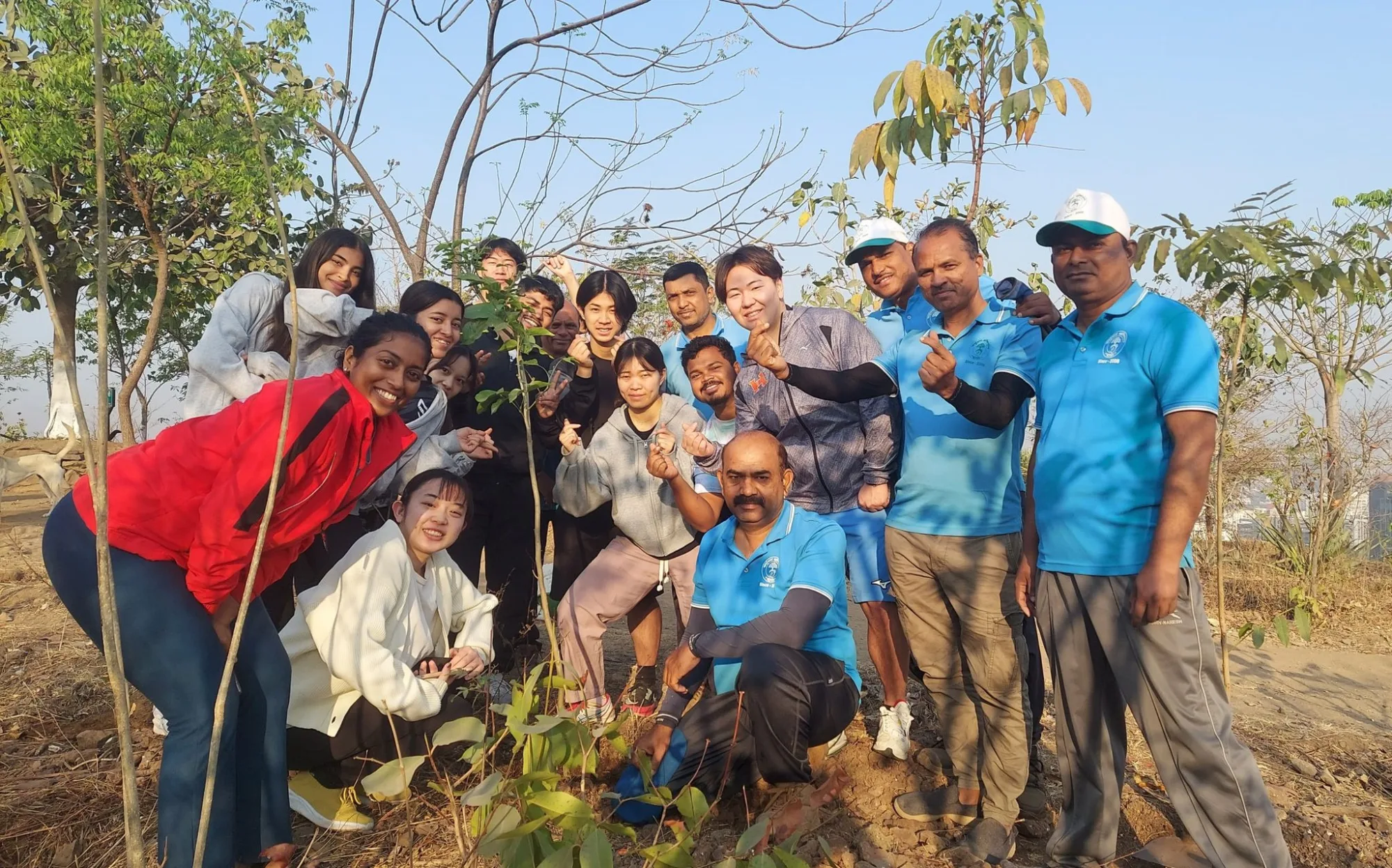
Unlike decorative or foreign plant species, native trees are naturally adapted to the local climate and soil conditions of Pune. Environmental NGOs on Baner Hill focus primarily on planting indigenous species that support long-term ecological restoration.
Some commonly planted native trees include:
- Neem
- Banyan
- Peepal
- Karanj
- Bahava
- Arjun
- Apta
- Jamun
- Tamarind
- Bamboo
These trees require less maintenance, consume less water, and provide food and shelter to local wildlife.
Miyawaki Forests and Dense Green Patches
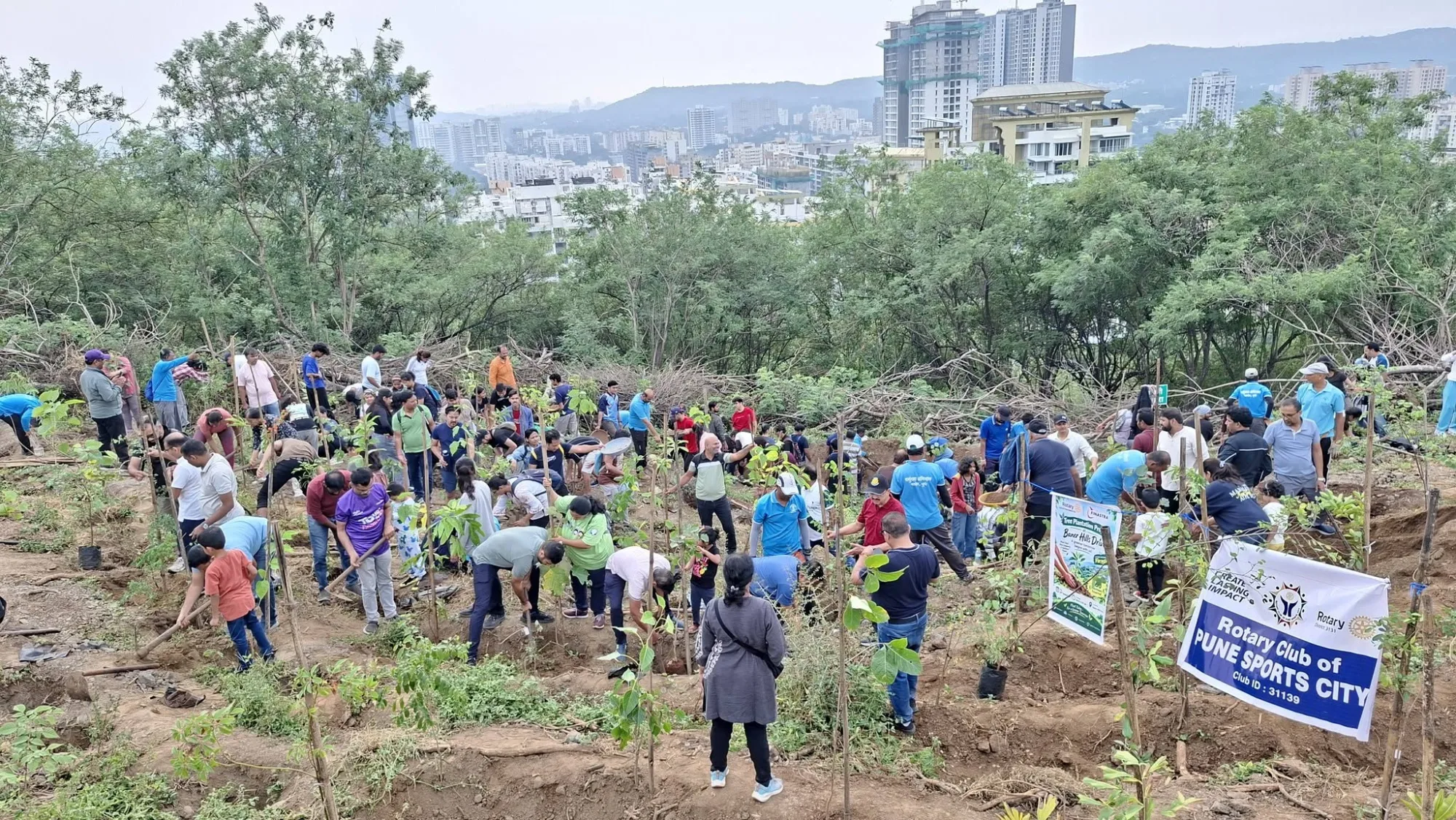
Many environmental groups are also adopting the Miyawaki method of afforestation to create dense native forests in smaller spaces. This technique helps trees grow faster and creates self-sustaining green zones within a few years.
Benefits of Miyawaki Forests
- Rapid forest growth
- Increased carbon absorption
- Better oxygen generation
- Improved soil fertility
- Habitat creation for birds and insects
- Noise and dust reduction in urban areas
Such dense plantations on Baner Hill are gradually transforming barren land into thriving ecosystems.
Water and Soil Conservation Efforts
Tree plantation alone is not enough for ecological restoration. NGOs working on Baner Hill also focus heavily on water conservation and soil protection.
Key activities include:
- Continuous Contour Trenches (CCT)
- Rainwater harvesting
- Loose Boulder Structures
- Soil moisture retention techniques
- Mulching and organic composting
These measures help increase groundwater recharge and improve tree survival rates during summer months.
Community Participation Makes the Difference
One of the biggest strengths of environmental NGOs is community involvement. Volunteers from all age groups actively participate in plantation drives, maintenance activities, seed ball preparation, biodiversity surveys, and awareness campaigns.
Schools, colleges, corporates, families, and local residents contribute by:
- Planting and adopting trees
- Participating in weekend drives
- Supporting maintenance activities
- Spreading environmental awareness
- Encouraging sustainable lifestyles
Collective action helps create a stronger connection between people and nature.
A Habitat for Birds and Wildlife
As native vegetation increases, Baner Hill is witnessing the return of several bird and insect species. Restored green spaces attract butterflies, bees, reptiles, and small mammals that are crucial for ecological balance.
Bird watchers and nature enthusiasts frequently observe:
- Indian Robin
- Sunbirds
- Bulbuls
- Kingfishers
- Parakeets
- Owls
- Butterflies and pollinator insects
This revival of biodiversity shows how ecological restoration can positively impact urban wildlife.
Building a Greener Future for Pune
Environmental NGOs working on Baner Hill are proving that consistent grassroots efforts can restore degraded landscapes and build climate-resilient ecosystems. Every planted native tree contributes to cleaner air, cooler surroundings, improved biodiversity, and a more sustainable future.
Protecting hills, forests, water bodies, and biodiversity is no longer optional — it is essential for the survival and well-being of future generations.
By supporting tree plantation and biodiversity conservation initiatives, citizens can become active participants in creating a greener and healthier Pune.
Conclusion
Baner Hill stands as a powerful example of how community-led environmental action can transform urban landscapes. Through biodiversity conservation, native tree plantation, Miyawaki forests, and water conservation initiatives, environmental NGOs are rebuilding nature one tree at a time.
Together, we can protect biodiversity, restore ecological balance, and ensure that future generations inherit a greener planet.