
Miyawaki Forest vs Traditional Plantation – Which is Better for Urban Biodiversity?
By Vasundhara Abhiyan Published Updated 4 min read
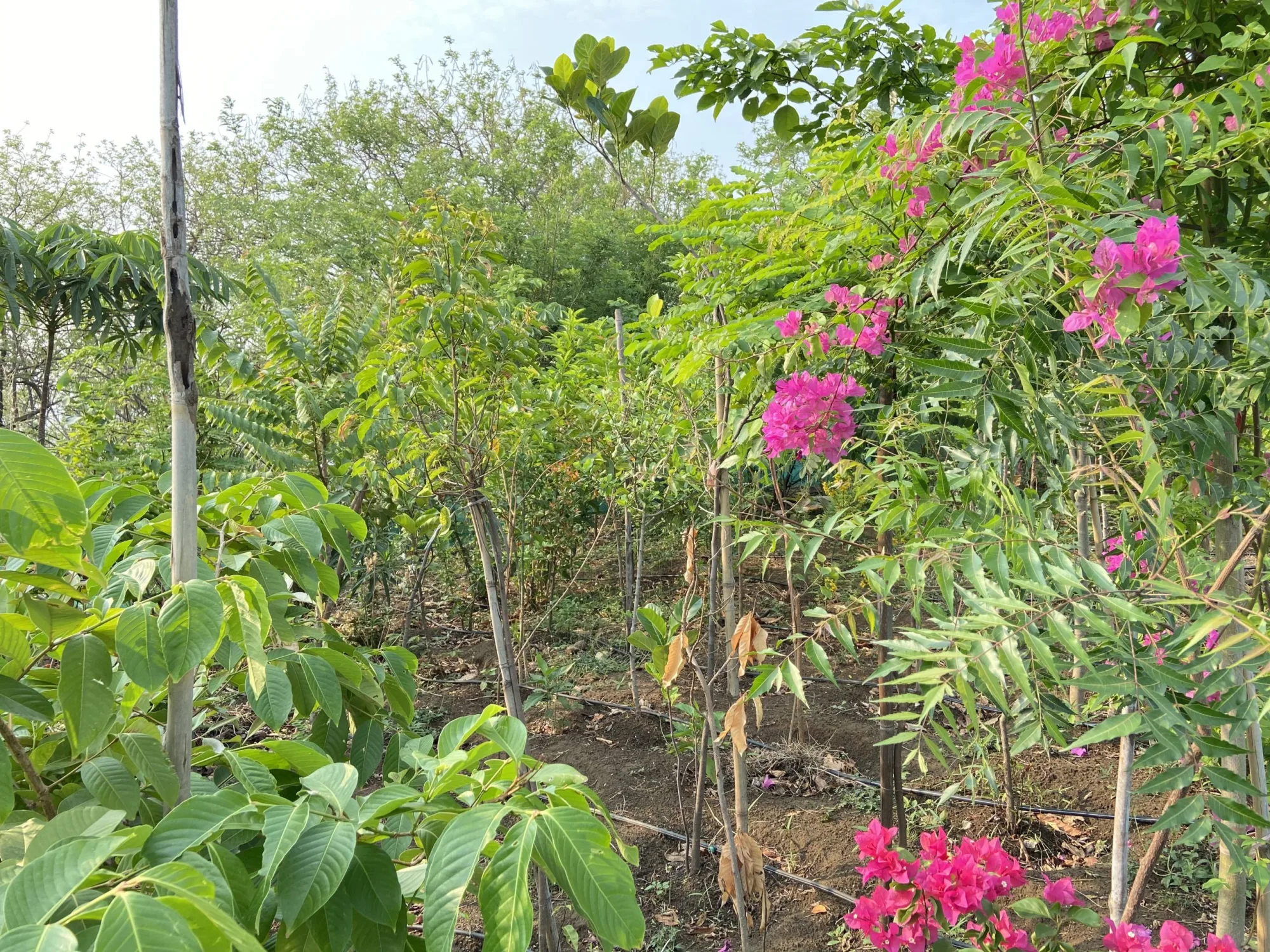
Urban areas across India are rapidly losing green cover due to increasing construction, pollution, and population growth. To restore ecological balance, environmental organizations and citizens are actively participating in tree plantation and forest restoration projects.
Among the most discussed methods today are the Miyawaki Forest technique and Traditional Tree Plantation. Both approaches contribute to environmental conservation, but they differ in methodology, growth pattern, biodiversity impact, maintenance, and long-term sustainability.
Organizations like Vasundhara Abhiyan working on ecological restoration around Baner Hill are increasingly exploring different plantation models to improve urban biodiversity and create sustainable green ecosystems.
So which method is better? Let’s understand both approaches in detail.
What is a Miyawaki Forest?
The Miyawaki method is a dense afforestation technique developed by Japanese botanist Akira Miyawaki. This method involves planting a large number of native tree species very close together to create a fast-growing mini forest.
The objective is to mimic natural forest ecosystems and accelerate forest growth in urban spaces.
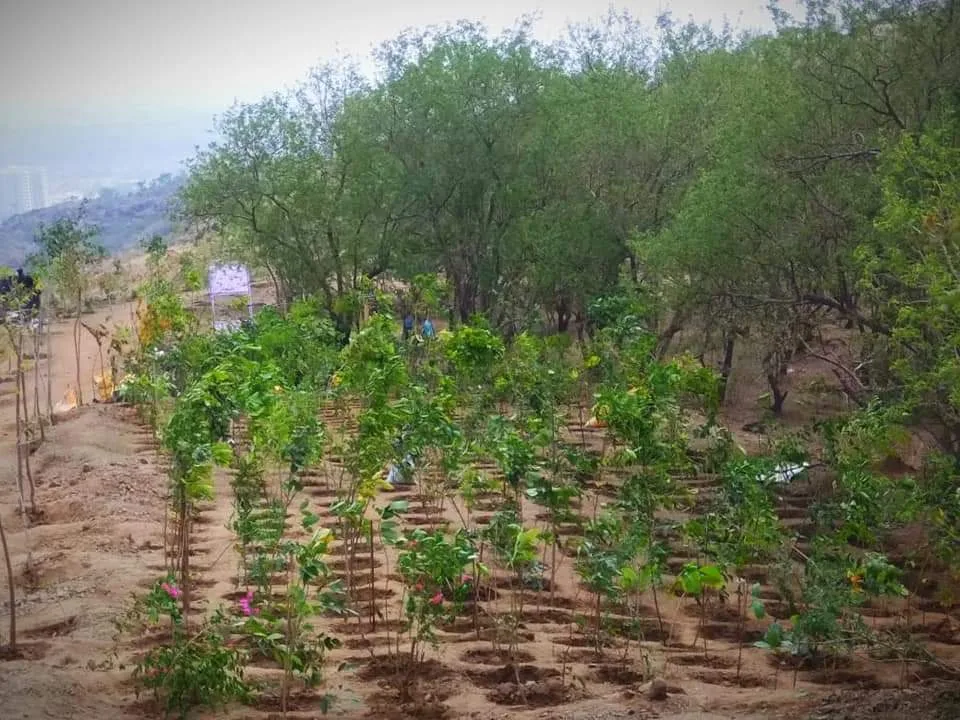
Key Features of Miyawaki Forests
- High-density plantation
- Native species only
- Fast growth rate
- Multi-layer vegetation structure
- Minimal space requirement
- Rapid biodiversity restoration
Trees in Miyawaki forests generally grow much faster compared to conventional plantations because of intense competition for sunlight and nutrients.
What is Traditional Plantation?
Traditional plantation is the conventional method of planting trees with larger spacing between saplings. Trees are usually planted in rows or scattered patterns depending on land conditions and restoration goals.
This method is commonly used for:
- Hill restoration
- Avenue plantations
- Public parks
- Watershed development
- Large-scale afforestation projects
Traditional plantations focus more on gradual ecosystem development and long-term sustainability over large landscapes.
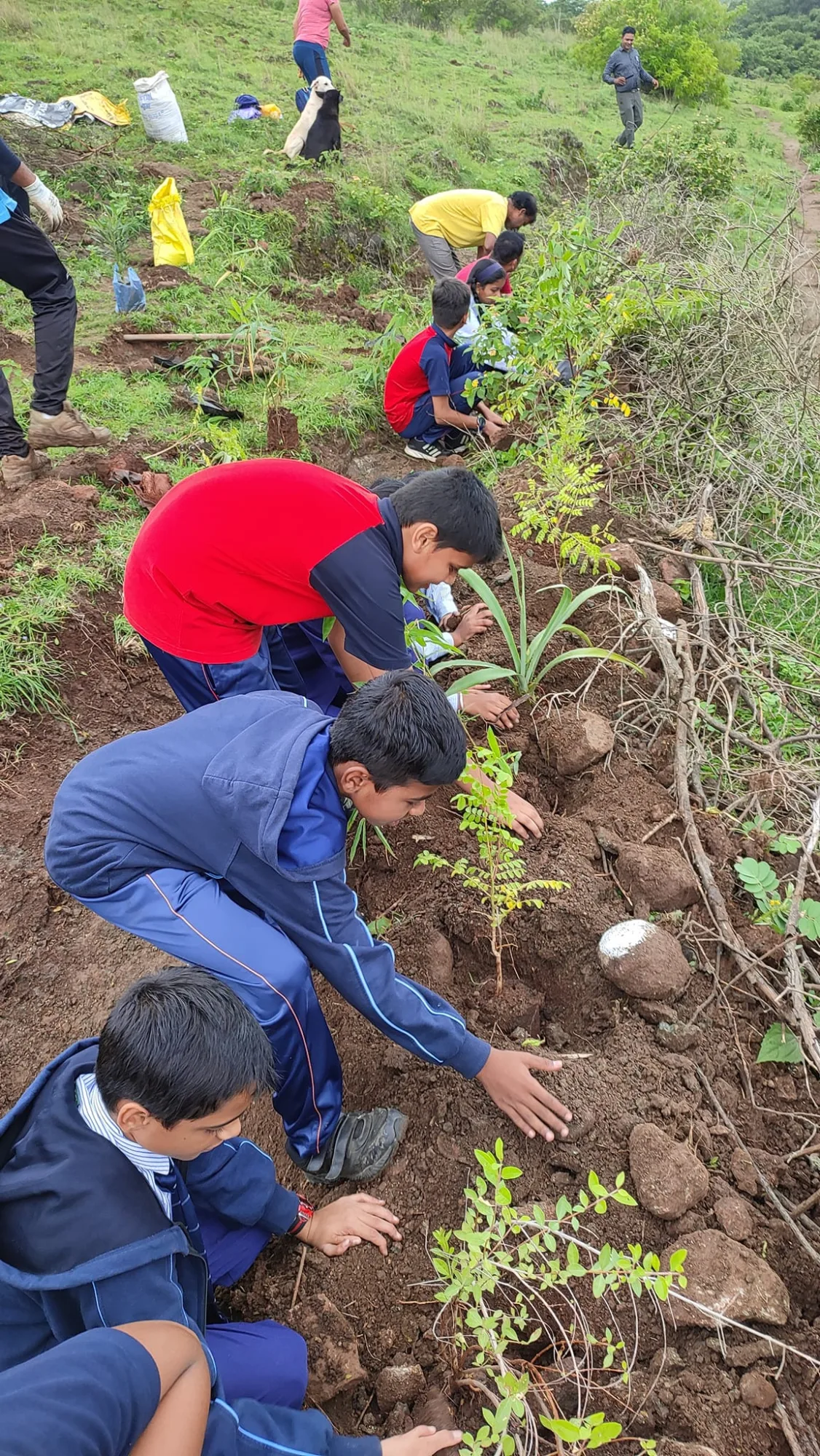
Difference Between Miyawaki Forest and Traditional Plantation
| Feature | Miyawaki Forest | Traditional Plantation |
|---|---|---|
| Plantation Density | Very dense | Moderate spacing |
| Growth Speed | Faster | Natural growth rate |
| Space Requirement | Small urban spaces | Large open areas |
| Biodiversity Recovery | Rapid | Gradual |
| Maintenance | High initial maintenance | Moderate maintenance |
| Water Requirement | High initially | Comparatively lower |
| Forest Appearance | Dense mini forest | Open green landscape |
| Suitable For | Urban areas | Hills, open land, rural areas |
| Cost | Higher | Lower |
| Long-Term Expansion | Limited by space | Easier over large areas |
Benefits of Miyawaki Forests
1. Faster Green Cover
Miyawaki forests can grow nearly 10 times faster than conventional plantations under proper maintenance conditions. This makes them highly effective in urban environments where immediate ecological restoration is needed.
2. Better Carbon Absorption
Dense plantation allows higher carbon sequestration, helping reduce urban pollution and improve air quality.
3. Space Efficient
Small unused plots in cities can be converted into mini forests, making the method suitable for schools, societies, corporate campuses, and roadside areas.
4. Rapid Biodiversity Support
Dense native plantations attract birds, butterflies, bees, and insects within a few years, creating healthier urban ecosystems.
Which Method is Better for Baner Hill?
For landscapes like Baner Hill, both methods can play an important role depending on the ecological requirement.
Miyawaki forests are useful for:
- Small urban patches
- Public awareness projects
- Quick biodiversity restoration
- Educational green spaces
Traditional plantations are better for:
- Large hill ecosystems
- Native biodiversity conservation
- Soil and water conservation
- Long-term ecological restoration
Environmental organizations often combine both approaches to maximize ecological impact.
Importance of Native Species in Both Methods
Regardless of plantation technique, the use of native species remains the most critical factor for ecological success.
Native trees:
- Adapt better to local climate
- Require less water
- Support local wildlife
- Improve soil health
- Increase biodiversity naturally
Planting indigenous species ensures long-term sustainability and ecological balance.
Community Participation is Essential
Successful forest restoration depends not only on plantation but also on continuous maintenance and community involvement.
Volunteer participation helps in:
- Watering saplings
- Mulching and soil care
- Biodiversity monitoring
- Awareness campaigns
- Long-term maintenance activities
Citizen participation creates stronger environmental responsibility and ensures project sustainability.
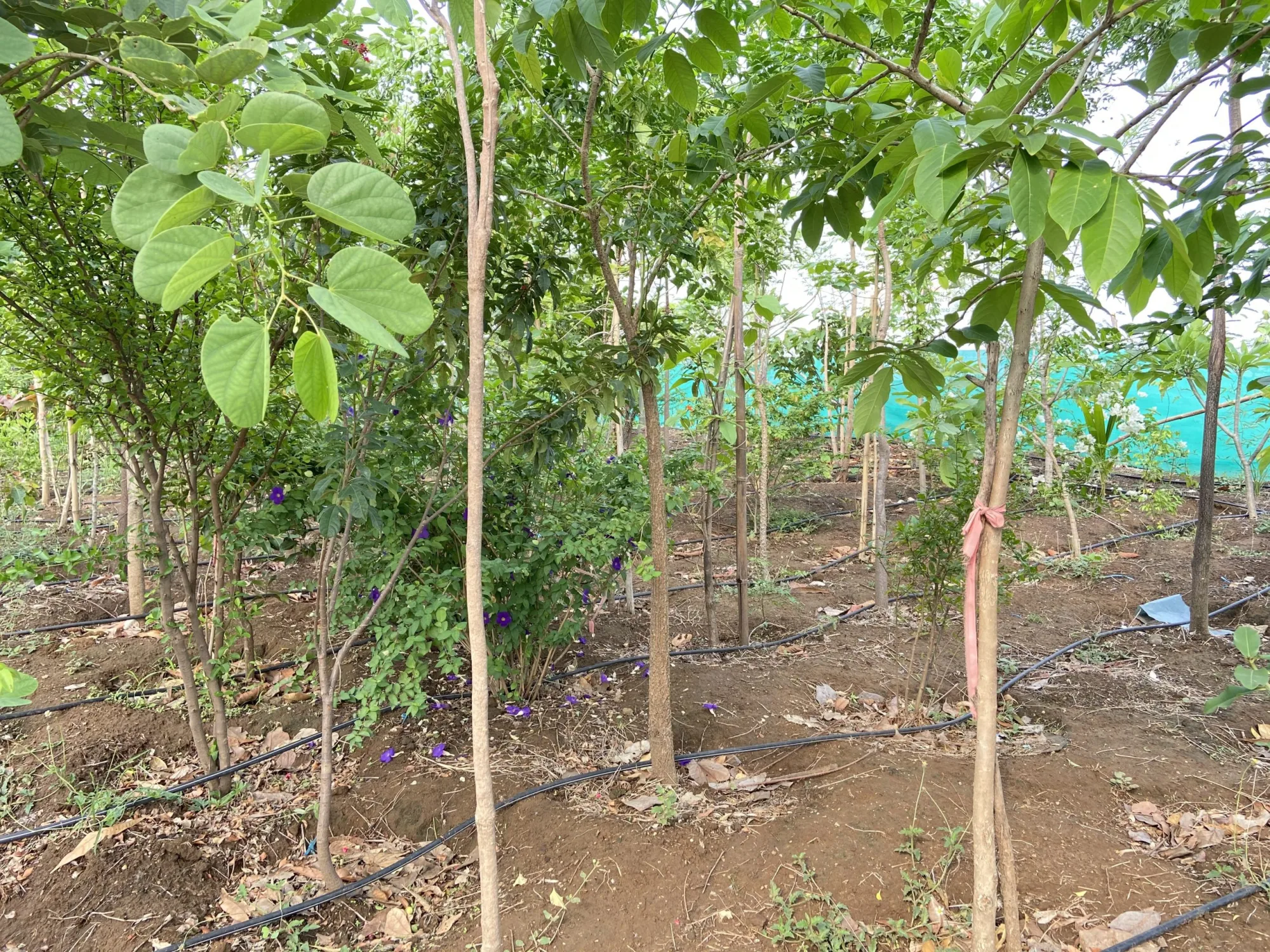
Conclusion
Both Miyawaki forests and traditional plantations are valuable tools for environmental restoration. The best approach depends on land conditions, ecological goals, water availability, and long-term sustainability plans.
Miyawaki forests are highly effective for creating dense green cover in compact urban areas, while traditional plantations remain essential for restoring larger natural ecosystems like hills, forests, and watershed regions.
Organizations like Vasundhara Abhiyan continue to demonstrate how biodiversity conservation and native tree plantation can transform degraded landscapes into thriving ecosystems.
The future of urban ecology lies not in choosing one method over another, but in using the right restoration approach for the right environment.